Briefly:
• Shut off the water source and power to affected areas before anything else, then remove standing water as quickly as possible to limit structural and mold damage.
• Professional extraction equipment removes moisture that household tools cannot reach, which lowers the risk of long-term damage to floors, drywall, and framing.
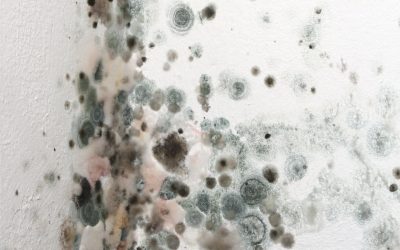
• Acting within the first 24 to 48 hours significantly reduces the chance of secondary damage like mold growth or warped flooring.
A burst pipe, an overflowing appliance, or a storm-driven leak can turn a quiet afternoon into a race against time. Knowing the right sequence of steps for emergency water damage cleanup in Elmhurst, IL can mean the difference between a minor repair and a gutted, mold-damaged structure. For help from a professional team, visit the Official Website of Parkside Restoration.
The first hour after discovering water intrusion matters more than any other. For homeowners searching for Emergency Water Damage Cleanup in Elmhurst IL, the goal is simple: stop the source, protect belongings, and begin extraction before moisture spreads into subflooring and wall cavities. Quick, methodical action at this stage limits both the scope of damage and the eventual repair cost.
Immediate Actions Before Help Arrives
Every minute of standing water increases the risk of damage to flooring, drywall, and personal property. Property owners should move through a short checklist as soon as water is discovered.
• Turn off the main water valve if the source is a pipe, appliance, or fixture failure.
• Cut power to any outlets or circuits in the affected area if it is safe to do so.
• Move furniture, rugs, and electronics away from wet areas.
• Photograph the damage for insurance documentation before cleanup begins.
• Open windows or run fans if weather and safety allow, to begin basic air circulation.
These steps do not replace professional extraction, but they slow the damage while arrangements are made for a full cleanup response.
Why Professional Water Extraction Matters
Household wet-vacs and towels can handle minor spills, but they cannot reach water that has seeped into subfloors, insulation, or wall cavities. Professional-grade extraction equipment pulls moisture from these hidden spaces, which is critical because trapped water is a primary driver of mold growth and structural weakening. According to the Environmental Protection Agency’s mold guidance, mold can begin growing within 24 to 48 hours in areas that stay damp, making rapid, thorough moisture removal a priority rather than an option.
This is also where moisture mapping becomes important. Technicians use meters to identify water that has migrated beyond the visibly wet area, so drying efforts target every affected material rather than just the surface.
DIY Cleanup vs. Professional Extraction
|
Factor |
DIY Cleanup |
Professional Extraction |
|
Equipment reach |
Limited to surface water |
Reaches subfloors and wall cavities |
|
Moisture detection |
Visual inspection only |
Meter-based moisture mapping |
|
Mold risk reduction |
Partial, depends on drying time |
Structured drying reduces risk |
|
Documentation for insurance |
Owner-generated photos |
Detailed moisture and damage records |
The table above reflects general industry practice rather than guaranteed outcomes for any single property, since every water event behaves differently depending on the source and materials involved.
What Happens During a Structured Cleanup Response
A methodical water removal process generally follows a consistent sequence, regardless of whether the damage comes from a pipe failure, appliance leak, or storm intrusion.
1. Assessment and source control – confirming the water source is stopped and categorizing the water (clean, gray, or contaminated).
2. Water extraction – removing standing water with pumps and extraction units.
3. Moisture mapping – using meters to locate hidden dampness in walls, flooring, and subfloor materials.
4. Structural drying – positioning air movers and dehumidifiers to dry affected materials evenly.
5. Monitoring – rechecking moisture levels over several days until materials reach normal readings.
Skipping steps, especially moisture mapping and monitoring, is one of the most common reasons water damage resurfaces as mold or warping weeks later.
Choosing Local Support for Faster Response
Response time is one of the most important variables in limiting water damage, since every hour of delay allows moisture to spread further into building materials. Working with a local provider familiar with Elmhurst area homes and common construction materials can shorten the time between the call and the start of extraction.
Get Directions to Parkside Restoration on Google Maps if you need to confirm service area details or plan an in-person visit. Parkside Restoration’s listed services focus on water damage response, which aligns directly with the extraction and drying steps outlined above.
Frequently Asked Questions
How quickly should water be removed after a leak or flood? Extraction should begin as soon as the source is controlled, ideally within hours, since dampness left untreated for 24 to 48 hours raises the risk of mold growth according to EPA guidance.
Can I dry out a water-damaged room myself with fans? Fans help with surface-level air movement, but they rarely dry subflooring, insulation, or wall cavities completely, which is why moisture meters and professional drying equipment are typically needed for a full recovery.
What should I document before cleanup starts? Take photos and videos of the affected area, damaged belongings, and the suspected water source before moving items, since this documentation supports insurance claims.
Is all water damage treated the same way? No. Clean water from a supply line is handled differently than gray or contaminated water, since contamination level affects both safety precautions and the materials that may need removal.
Water damage rarely waits for a convenient time, and the steps taken in the first few hours shape how much of a home or business can be saved. Property owners who act quickly on source control, documentation, and extraction give themselves the best chance at a straightforward recovery rather than a prolonged, costly repair process.